Abbeville Road man with van tips for studio moves
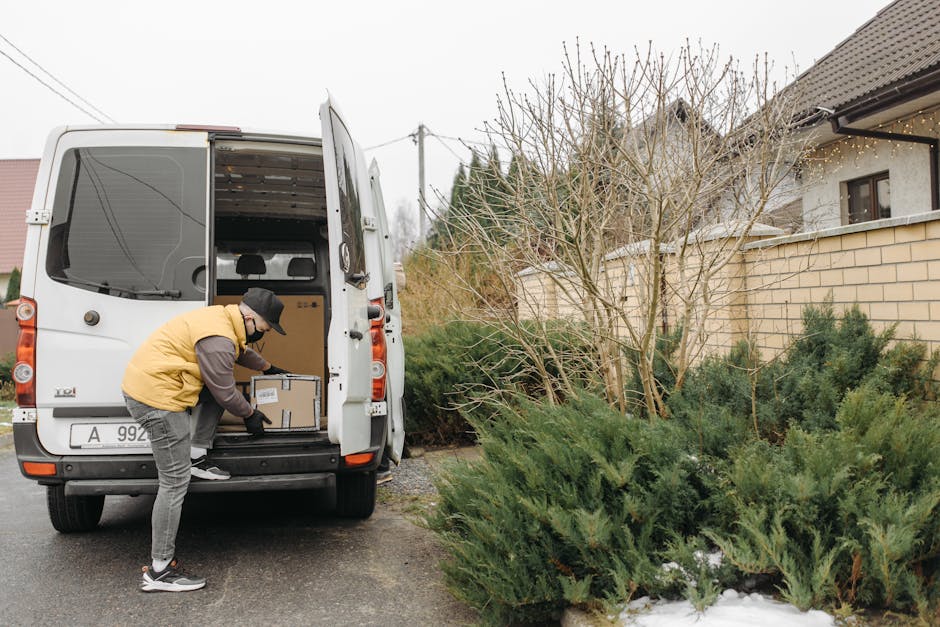
Studio moves look simple from the outside. Fewer rooms, fewer boxes, less furniture - job done, right? In reality, anyone who has tried moving a compact flat in South West London knows the tricky bits arrive fast: tight stairwells, awkward parking, fragile tech, and that one item you swear will fit through the door until it absolutely does not. This guide to Abbeville Road man with van tips for studio moves is here to make the whole process calmer, quicker, and far less chaotic.
Whether you are moving from a top-floor studio near Abbeville Road, heading into a bigger place, or simply trying to get a few carefully chosen belongings across town, the right approach matters. A good man and van setup is often the sweet spot for studio relocations: flexible, efficient, and usually much easier to manage than a larger removal vehicle. Below, you will find practical advice on planning, packing, access, costs, timing, and the small decisions that make a surprisingly big difference.
- Why Abbeville Road man with van tips for studio moves Matters
- How Abbeville Road man with van tips for studio moves Works
- Key Benefits and Practical Advantages
- Who This Is For and When It Makes Sense
- Step-by-Step Guidance
- Expert Tips for Better Results
- Common Mistakes to Avoid
- Tools, Resources and Recommendations
- Law, Compliance, Standards, or Best Practice
- Options, Methods, or Comparison Table
- Case Study or Real-World Example
- Practical Checklist
- Conclusion
- Frequently Asked Questions
Why Abbeville Road man with van tips for studio moves Matters
Studio moves can be deceptively fiddly. You may only have a bed, a desk, a couple of chairs, a bike, some boxes, and a handful of bagged clothes, but the move still needs careful coordination. On Abbeville Road and the surrounding Clapham streets, access can be busy, parking can be limited, and timing can matter more than people expect. A short loading bay that works at 10 a.m. may be useless by lunchtime. That is the kind of detail that can turn a smooth move into a stressful one.
Using a local-style man with van service is often the practical middle ground for this sort of relocation. It gives you the help of a moving professional without paying for a vehicle that is far bigger than you need. For many studio flats, that balance is exactly what you want. Less empty van space, less wasted effort, and less waiting around while a team figures out the best way to load a tiny apartment's worth of belongings.
There is also the matter of pace. Studio moves are usually time-sensitive. Maybe you are leaving on the same day your tenancy ends, or you have a narrow handover window before the next person moves in. Maybe the weather has changed, and you are now staring at a classic grey London morning with a lift that keeps dinging on every floor. In those moments, the value of a neat, well-organised move becomes obvious very quickly.
Expert summary: if your move is compact but awkward, a careful man and van plan can save time, reduce damage risk, and keep costs aligned with the size of the job. The trick is not just hiring help - it is preparing properly so the van, access route, and packing all work together.
How Abbeville Road man with van tips for studio moves Works
The process is usually straightforward, but it works best when each step is clear. A studio move typically begins with a rough inventory: what is going, what is being sold, what can be donated, and what should be discarded. From there, the mover can estimate van size, travel time, loading time, and how many trips, if any, may be needed.
For a studio on Abbeville Road, the move often depends on access more than volume. A compact flat with a few larger items can still be harder to move than a bigger home with better access. Narrow hallways, shared entrances, permit restrictions, and street congestion all affect the plan. This is why the best man with van advice always starts with practical detail rather than guesswork.
The vehicle choice matters as well. A man with van setup is commonly used for studio-sized moves because it is nimble enough for local streets and usually cost-effective for lighter loads. If the move includes fragile items or a little more furniture than expected, it can be worth discussing whether a larger removal van or a broader removal services option is more suitable. That simple conversation can prevent the classic "we thought it would all fit" problem.
In practice, the service usually involves loading, transport, and unloading, with care taken around fragile items, tight corners, and stairs. Some customers also add help with packing, which can be a real relief if you are moving after work and every box seems to have appeared from nowhere. If you want extra support on the packing side, packing and boxes can make the whole thing less frantic.
Key Benefits and Practical Advantages
There are several reasons a man with van move is often a smart choice for studio relocations around Abbeville Road. The biggest one is right-sizing. You pay for a service that fits the actual move rather than a full-scale setup that would spend half the day carrying air. That matters more than people admit.
Another advantage is manoeuvrability. London streets reward compact planning. A smaller vehicle can often manage access more easily than a larger truck, especially where road space is limited or loading areas are shared. For studio moves, that flexibility can reduce delays and make the day feel less like a logistical puzzle.
There is also the practical human benefit: less stress. Let's face it, moving a studio is still moving. You still need to protect your mattress, keep chargers from vanishing into the black hole of boxes, and make sure your kettle ends up where you can find it at 8 a.m. the next morning. A well-organised moving plan helps you keep your footing.
Here are the main advantages in plain English:
- Cost alignment: good for smaller loads and local journeys.
- Faster handling: fewer unnecessary items means less time spent loading.
- Local access benefits: easier in narrow streets or busy residential areas.
- Lower waste: a better fit for minimalist or one-bedroom-style moves.
- Flexible scheduling: often useful when move-out and move-in windows are tight.
If your studio move includes furniture you no longer want, it is worth separating transport from disposal. For items that are no longer needed, furniture removals or even a targeted furniture pick up can help you keep the move clean and uncluttered.
Who This Is For and When It Makes Sense
This approach is ideal for people moving from a studio or compact flat who do not have a house-full of furniture. If your belongings fit into a manageable inventory - bed, desk, chair, a few storage units, kitchen items, clothing, and boxes - then a man and van service is often a practical fit. It is also a good option if you are moving locally and want a move that feels controlled rather than over-engineered.
It makes sense for renters, students, young professionals, and anyone moving between small homes. It can also work well if you are relocating after a short tenancy, switching from furnished to unfurnished accommodation, or combining moving with a bit of decluttering. Some people are simply ready to start fresh. Fair enough.
This type of service can also suit people with a few special items that need careful handling but not a whole team of movers. If you are shifting a keyboard, artwork, or a single awkward piece of furniture, the format can be very efficient. For larger or more fragile items, though, it is worth checking whether a dedicated service is more appropriate. For example, if you are moving a piano or something similarly awkward, a specialist option like piano removals is usually the safer call.
On the other hand, if your move includes more than a studio's worth of contents or if you are dealing with a multi-room property, you may want to compare with flat removals, home moves, or even broader removals support. Different move sizes need different planning - simple enough, but easy to overlook in the rush.
Step-by-Step Guidance
If you want a studio move to go smoothly, think of it as a sequence rather than a single event. The best moves tend to be built early, not improvised on the day. Here is a sensible step-by-step approach that works well for Abbeville Road and similar London streets.
- Sort your belongings early. Decide what is moving, selling, donating, storing, or binning. Be ruthless, in a kind way.
- Measure the obvious problem items. Mattresses, desks, wardrobes, and large mirrors are the usual troublemakers.
- Check access at both addresses. Stairs, lifts, hallway width, parking, and any loading restrictions matter more than you think.
- Pack by room and priority. Keep essentials separate so the first night is not a scavenger hunt.
- Label the boxes clearly. A small, neat label is worth its weight in sanity.
- Reserve the right service type. Confirm whether a man with van, removal van, or larger vehicle is the right fit.
- Prepare the property. Unplug appliances, clear walkways, protect floors if needed, and make sure keys and documents are accessible.
- Move the essentials last or first, depending on your setup. There is no single rule, but do not bury your basics under six sealed boxes of "miscellaneous".
One useful habit is to make a tiny "first-hour" box containing phone charger, toiletries, toilet paper, snacks, medication, a pen, and your kettle if you are the sort of person who needs tea before the brain starts up. It sounds obvious. People forget it all the time.
If you need extra support with loading, unloading, or even re-organising the move once you arrive, man and van and packing and unpacking services can be useful additions. A little help at the right moment can save you from that late-evening "why did I pack the scissors?" feeling.
Expert Tips for Better Results
Studio moves reward precision. Small choices compound. If you get the packing and access right, the rest is mostly transport. If you do not, even a short move can become a long day.
1. Keep heavy items low and central. Boxes with books, kitchen items, or storage gadgets should sit at the bottom of the stack. Lighter items go on top. It sounds basic, but it genuinely helps prevent damage and collapsing piles.
2. Remove legs, shelves, and loose parts. A desk that arrives with wobbly side pieces and missing screws is nobody's idea of a good time. Put hardware in a labelled bag and tape it securely to the item or store it in a dedicated box.
3. Use soft items as protection. Towels, bedding, and clothing can help protect mirrors, lamps, and smaller frames. Just do not bury important items so deeply that you cannot find them later.
4. Photograph cable setups before disconnecting. This is one of those tiny habits that saves a lot of frustration. The back of a TV stand or workstation can look like spaghetti after ten minutes.
5. Schedule your move around traffic where possible. Abbeville Road and the surrounding routes can get busy. A slightly earlier start may be worth it. Not always, but often enough.
6. Keep one eye on what you do not need anymore. If you are already paying for transport, it may be the right moment to remove old items and reclaim space. For bulky items that should not come with you, furniture removals can keep the rest of the move simpler.
A good studio move is usually not about moving more. It is about moving less, but moving it well.
And honestly, the best moving days are the ones where nobody is scrambling for tape at the last minute. A surprisingly large number of moving problems are caused by one missing roll of tape. Strange, but true.
Common Mistakes to Avoid
Studio moves can go sideways in fairly predictable ways. The good news? Most of them are avoidable with a bit of planning.
- Underestimating volume: a studio can hold more than it appears to once you start opening cupboards and drawers.
- Leaving packing too late: last-minute packing leads to breakages, missing items, and stress that lingers into the next day.
- Ignoring access problems: a small vehicle helps, but it does not solve blocked entrances or no-parking zones.
- Not checking measurements: doors, stair turns, and lift sizes deserve a quick check before moving day.
- Mixing essentials with everything else: keep the items you will need immediately apart from the rest.
- Choosing solely on price: the cheapest option can be expensive if the load needs a second trip or items are not protected properly.
A common one is assuming the move will be "too small to matter". Truth be told, that is exactly how people end up rushed, dusty, and standing in the hallway wondering where their bedding went. A little care upfront prevents that very specific kind of annoyance.
If you want reassurance around service quality, insurance, and handling expectations, it is sensible to review insurance and safety and health and safety policy information before booking. Even for a small move, peace of mind matters.
Tools, Resources and Recommendations
You do not need a mountain of gear for a studio move, but the right few tools make everything easier. For most people, the essentials are plain and practical: strong boxes, tape, markers, furniture covers, and a trolley if you have anything heavy or awkward. Nothing glamorous. Just useful.
Here is a compact toolkit that works well for small urban moves:
- Sturdy boxes: a mix of small and medium sizes usually works better than oversized ones.
- Packing tape and dispenser: saves a lot of time, especially when the clock is ticking.
- Permanent marker: label each box on multiple sides.
- Blankets or covers: good for protecting tables, mirrors, and headboards.
- Zip bags: ideal for screws, cables, and little fittings.
- Cleaning supplies: a quick wipe-down before handover can make the end of the move feel much better.
If you are trying to decide between buying supplies separately and using an all-in-one moving support service, think about time as well as money. A service that includes packing and boxes can remove a lot of small tasks from your list. For some people, that is worth more than shaving a little off the total.
For longer-term planning, especially if you are between homes, storage can be a helpful bridge. It is not always necessary, but it is a good option if your move-out and move-in dates do not line up neatly. Life rarely does, to be fair.
Law, Compliance, Standards, or Best Practice
For a studio move, you usually do not need to become a legal expert, but there are sensible UK practices worth keeping in mind. First, any mover handling goods should operate with appropriate care and insurance cover, and customers should understand what is and is not included. It is reasonable to ask about liability for damage, transit cover, and how fragile items are handled.
Parking and access are also practical compliance issues in London. You may need to consider local parking restrictions, bay rules, and loading limits. The exact arrangements vary by street and time of day, so it is wise not to assume that "it should be fine" counts as a plan. A little checking saves a great deal of muttering at the kerb.
Best practice also means safe lifting and loading. Heavy items should be carried with care, stairs should be treated as a risk point, and routes should be kept clear. Professional movers usually work to established safety habits: protecting floors where needed, securing items in the van, and avoiding overloading. Those details are not flashy, but they matter.
From a customer perspective, the practical best practice is simple:
- declare the real size of your load;
- mention awkward access early;
- check what insurance or cover is included;
- read the booking terms carefully;
- keep your inventory honest, even if it is a bit embarrassing.
If you want to understand the company's wider standards, it can also help to review terms and conditions and the broader about us information. That gives useful context before you confirm anything.
Options, Methods, or Comparison Table
Not every studio move needs the same kind of support. The right choice depends on your load, access, timing, and how much help you want on the day. A quick comparison can make the decision easier.
| Option | Best for | Typical strengths | Watch-outs |
|---|---|---|---|
| Man with van | Compact studio moves, local journeys, lighter furniture | Flexible, efficient, usually cost-conscious | May be less suitable for very bulky or high-volume loads |
| Removal van | Studio moves with slightly more furniture or fragile items | More space, better for organised loading | Can be less nimble on tight streets |
| Full removals service | More complex flat or house moves, larger inventories | More hands, broader support, less lifting for you | Can be more than you need for a small studio |
| Same-day removals | Urgent moves, short notice changes, schedule pressure | Fast response, useful for tight timelines | Availability can be limited |
For most studio relocations, a targeted service is the best balance. If your belongings are minimal and your route is local, a man with van option is often enough. If your studio includes a lot of furniture or the access is awkward, it may be smarter to step up to a larger format. There is no prize for choosing the smallest possible vehicle if the job needs more.
You can also compare more general support such as removal truck hire or broader removal companies if your move is turning into something bigger than first planned. That happens a lot, actually.
Case Study or Real-World Example
Picture a typical studio move near Abbeville Road. A tenant has a bed frame, mattress, small desk, office chair, coffee table, kitchen boxes, clothing, two mirrors, and a bike. On paper, that sounds light. Once everything is laid out in the room, it becomes clear the awkward bits are the bed frame, the mirror, and the stairs. Always the stairs.
The move goes better because the tenant checks access in advance, disassembles the bed frame, labels the boxes, and keeps the essentials separate. The mover knows there is limited parking, so the arrival time is chosen carefully. Loading takes less time than expected because the boxes are ready, and fragile items are wrapped. No scrambling. No surprise second trip. No trying to fit a desk through a doorway while everyone politely pretends it is not getting stuck.
That is the whole point of good studio move planning. The van was not the hero on its own. The prep made it work. If the customer had skipped those details, the same move could have become a long afternoon with more lifting, more waiting, and more stress.
In some cases, the same thinking applies when a studio move is really part of a bigger lifestyle change. If you are moving for work, between temporary lets, or as a student, you may want to look at student removals or same day removals depending on urgency and flexibility. Different timing, same need for clarity.
Practical Checklist
Use this checklist a few days before the move, then glance at it again on the morning. It keeps the job grounded.
- Confirm the moving date, time, and address details.
- Check the load: furniture, boxes, appliances, and anything fragile.
- Measure large items and note any access issues.
- Decide what is moving, storing, donating, or disposing of.
- Pack essentials separately for the first night.
- Label all boxes clearly and consistently.
- Disassemble furniture where practical and keep fixings together.
- Protect mirrors, screens, and delicate surfaces.
- Clear corridors, halls, and doorways before loading begins.
- Keep keys, IDs, phone, charger, and payment details easy to reach.
- Review service terms, safety, and insurance information.
- Do a final walk-through so nothing is left behind in cupboards or under beds.
If you are handling unwanted items too, think about whether they should go out before moving day. A separate furniture pick up or general removal services arrangement can make the main move simpler and cleaner.
Conclusion
Studio moves around Abbeville Road do not need to be complicated, but they do need to be thought through. The best outcomes usually come from a sensible mix of compact transport, honest planning, and careful packing. A man with van service can be an excellent fit for a studio relocation when the volume is modest and the access is tricky, which is exactly the kind of everyday London move that catches people off guard.
If you take one thing from this guide, let it be this: the move is rarely difficult because of the number of rooms. It is difficult because of the details. Measurements, parking, stairwells, fragile items, and the first-night essentials all matter. Get those right and the rest feels much more manageable.
And once the boxes are in, the kettle is plugged in, and the last bit of dust has been swept away, there is a very satisfying quiet that settles over the place. That part is worth the effort.
Get a free quote today and see how much you can save.
For more background on the service, company standards, and booking confidence, you may also want to review pricing and quotes, payment and security, and contact us before you decide. A quick check now can make the moving day feel much lighter later.
Frequently Asked Questions
Is a man with van service enough for a studio move on Abbeville Road?
For many studio moves, yes. If your furniture is limited and your route is local, a man with van setup is often the most practical choice. The key is being honest about volume and any awkward items. If your studio is packed full of furniture, you may need a larger vehicle or a fuller removals option.
How far in advance should I book a studio move?
As early as you can, especially if you want a specific day or a busy weekend slot. Local London moves can fill up quickly, and access timing matters. If your move is urgent, ask about same day removals, but do not assume availability.
What should I pack first for a small flat move?
Start with non-essentials: books, seasonal clothes, decorative items, spare bedding, and rarely used kitchen items. Leave daily-use items until the end. That way, you are not living out of a mystery box for three days after the move.
Do I need to dismantle furniture before the move?
Not always, but it usually helps. Bed frames, desks, and shelving units are easier to move when partly dismantled. Keep screws and fittings in a labelled bag. If the item is awkward or fragile, ask in advance how it should be prepared.
How do I know what van size I need?
Think about the number of boxes, any large furniture, and whether the items will stack neatly. A compact studio often fits well into a standard man and van arrangement, but if you have more than expected, discuss a removal van or wider support.
What if I have no lift and a lot of stairs?
Say so when booking. Stairs affect loading time, effort, and sometimes the type of vehicle or help needed. It is far better to mention this early than to spring it on the mover on the day. Nobody enjoys that reveal.
Are studio moves cheaper than larger house moves?
Usually, yes, because there is less to transport and less labour involved. But price still depends on access, distance, timing, and whether the move needs extra handling. A small load with difficult stairs can cost more than people expect, so it is best to ask for a tailored estimate.
Can I combine moving and furniture disposal?
Yes, and it often makes sense. If you are replacing a sofa, bed, or desk, combining the move with furniture removals or furniture pick up can reduce clutter and save time.
What items need the most care in a studio move?
Mirrors, screens, glass tables, lamps, artwork, and anything with loose parts need extra attention. Bikes and exercise equipment can also be awkward because of shape rather than weight. Protect corners and wrap fragile surfaces well.
Should I choose a man with van or a full removals team?
If the move is compact and local, a man with van service is often enough. If you have many bulky items, difficult access, or want more hands on the day, a fuller removals service may be the better fit. It really comes down to the shape of the job.
What should I check before the movers arrive?
Make sure boxes are sealed, walkways are clear, furniture is ready to move, and essentials are packed separately. Confirm access, keys, and parking arrangements too. A tidy start always makes the rest of the day easier.
Is storage useful if my dates do not line up?
Absolutely. If you are leaving one studio before the next place is ready, short-term storage can take the pressure off. It is not glamorous, but it is often the difference between calm and chaos.
Where can I learn more about booking and trust information?
It helps to look at service pages such as pricing and quotes, insurance and safety, and about us. Those pages are useful for understanding what to expect before you confirm your move.